8 Tips For Boosting Your Railroad Lawsuit Multiple Myeloma Game


Railroad Lawsuit - Exposure to Toxins Causes Emphysema and Mesothelioma
Railroad workers are exposed numerous toxic toxins due to their work. Asbestos which was used in older train cars to line them and insulate them, is one such hazardous substance.
Unfortunately, these dangerous substances can be destructive to the lung lungs of railroad employees. Our FELA lawyers aid victims of lung disease on railroads hold companies accountable for their wrongful actions.
Asbestos
While railroads have lost favor as a means of transportation in recent years as more people turn to cars, trains still play a significant role in the nation's transportation network. Railroad workers have been exposed to toxins for a long time which could negatively impact their health. Specifically our Boston railroad worker asbestos exposure lawyers highlight that railway workers have often been at risk for developing lung diseases, such as asbestosis and mesothelioma.
Asbestos is a hazard that can break into tiny, thin fibers which can be breathed into the lung. These fibers can cause serious scarring of lung tissue, which could cause a variety of serious respiratory conditions such as mesothelioma, asbestosis and lung cancer.
For example a man who was diagnosed with mesothelioma after working on the railroad for over 30 years has filed an Illinois Central Railroad lawsuit. He claims that the railroad let him work in hazardous conditions without providing adequate protective equipment or warnings about possible dangers. He claims he breathed in diesel fumes as well as chemicals, dust and powders, along with other particles, which affected the lungs of his.
Moreover, this man says the Illinois Central Railroad failed to provide him with the proper medical surgical, hospital and therapeutic treatment for his injuries and ailments. According to Multiple myeloma lawsuit , the railroad violated its Federal Employers Liability Act (FELA) obligation to provide employees with a safe and secure work environment.
lung cancer lawsuit can have a negative impact on the health of railroad workers. In some instances these fumes could cause lung diseases such as COPD. In the case where the machinist was exposed diesel exhaust during work the company did not provide adequate protection equipment. The worker developed COPD as a result, and currently uses oxygen tanks throughout the day.
The Guardian reported in a recent article that in the United Kingdom, where diesel exhaust is frequently found in workplaces such as bus depots and garages there are "growing legal claims" regarding exposure to toxic diesel fumes. Diesel exhaust contains large amounts of nitrogen oxides which are harmful to people. Nitrogen oxides can cause irritation to the nose, eyes and throat. Lymphoma lawsuit can also trigger short-term discomforts such as coughing or phlegm. Inhaling diesel fumes can also cause chest tightness and wheezing.
In addition to diesel fumes, other contaminants found in certain rail yard environments include chemicals, creosote dust and powders. These toxins can be breathed in and lead to long term issues like COPD and lung cancer. The International Agency for Research on Cancer has classified diesel engine exhaust as a confirmed carcinogen. The agency warns that exposure to diesel engine exhaust may increase the risk of bladder cancer in both females and males.
Smoking
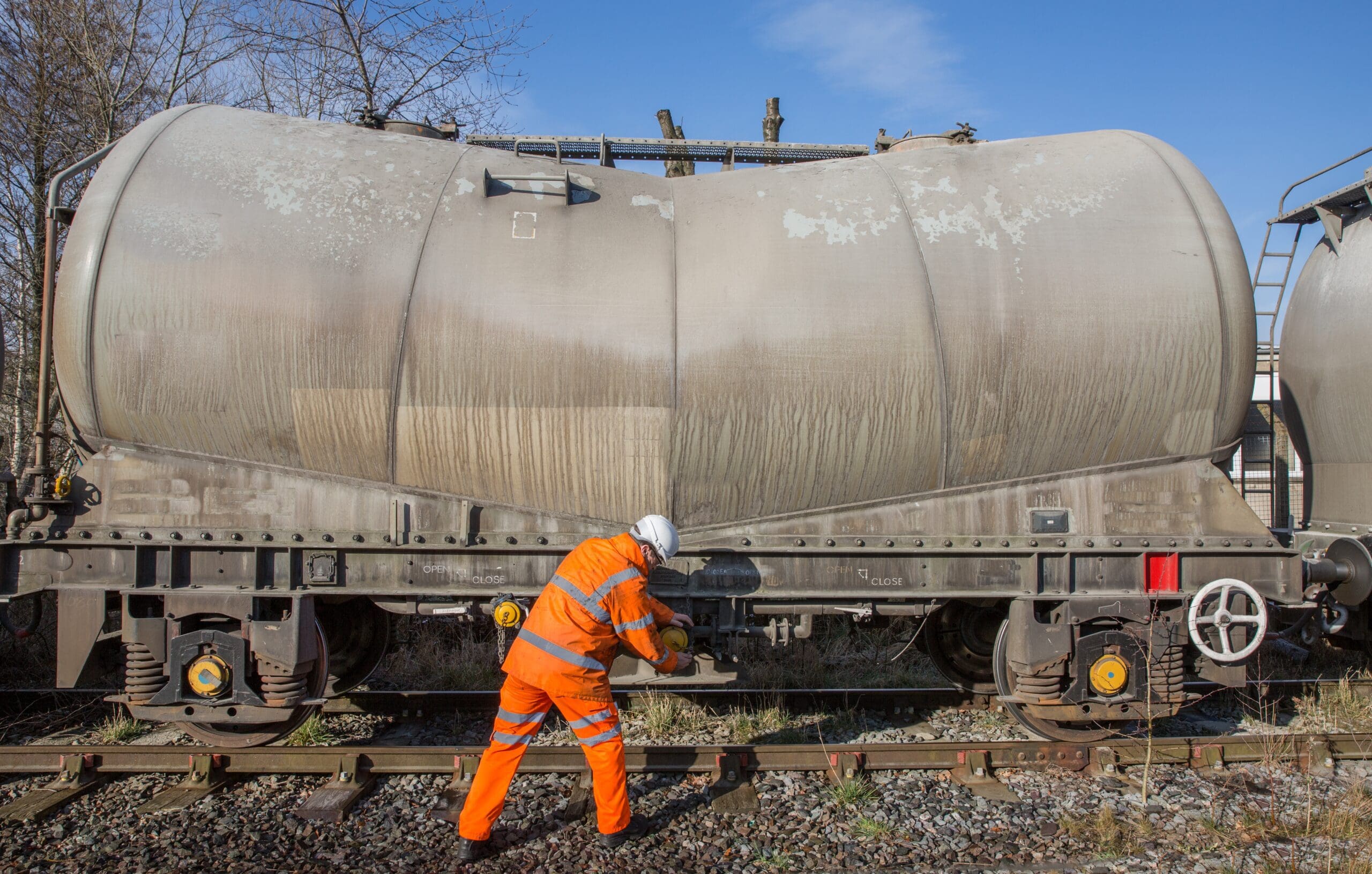
A railroad conductor recently filed an occupational illness claim claiming that his prolonged exposure to toxic chemicals at work caused him to develop COPD. The claimant claims that his employer failed to provide him with appropriate safety equipment, which allowed him to breathe in hundreds of chemicals every day. These poisons include diesel exhaust and fumes silica, creosote, coal smoke, metal dusts sulfur dioxide, benzene, dioxins, chemical cleaners and other airborne irritants.
The problem with these toxins is that they are capable of piercing deep into the lung tissue where they cause damage, and eventually lead to chronic obstructive-pulmonary disease or COPD. This chronic illness causes shortness-of-breath wheezing, chronic coughing and weight loss. In some cases, it can also cause asthma.
Railroad employees who suffer from work-related respiratory illnesses such as emphysema, asthma, or other can receive compensation under the Federal Employers Liability Act (FELA), 45 U.S.C. 51. This law requires railroad companies to provide their employees with a place of work that is reasonably safe.
Unfortunately this isn't always the case. Railroad companies are aware of the dangers associated with their work, yet they do not take the necessary precautions to protect their workers. This is why FELA was created to make them accountable for. If you've suffered from a medical condition that was caused by your railroad career, contact an experienced mesothelioma attorney who has successfully handled FELA cases.